
Before you replace them, let Glen look – in 30 years, most floors other tradespeople walked away from came back.
Enquire now
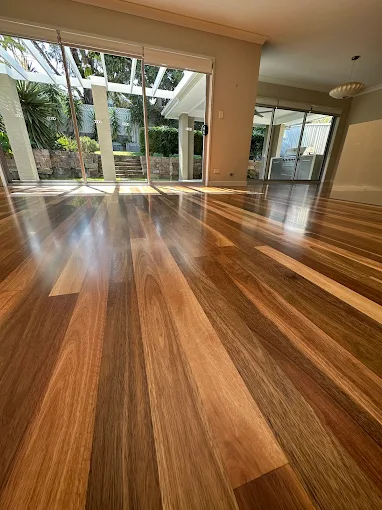


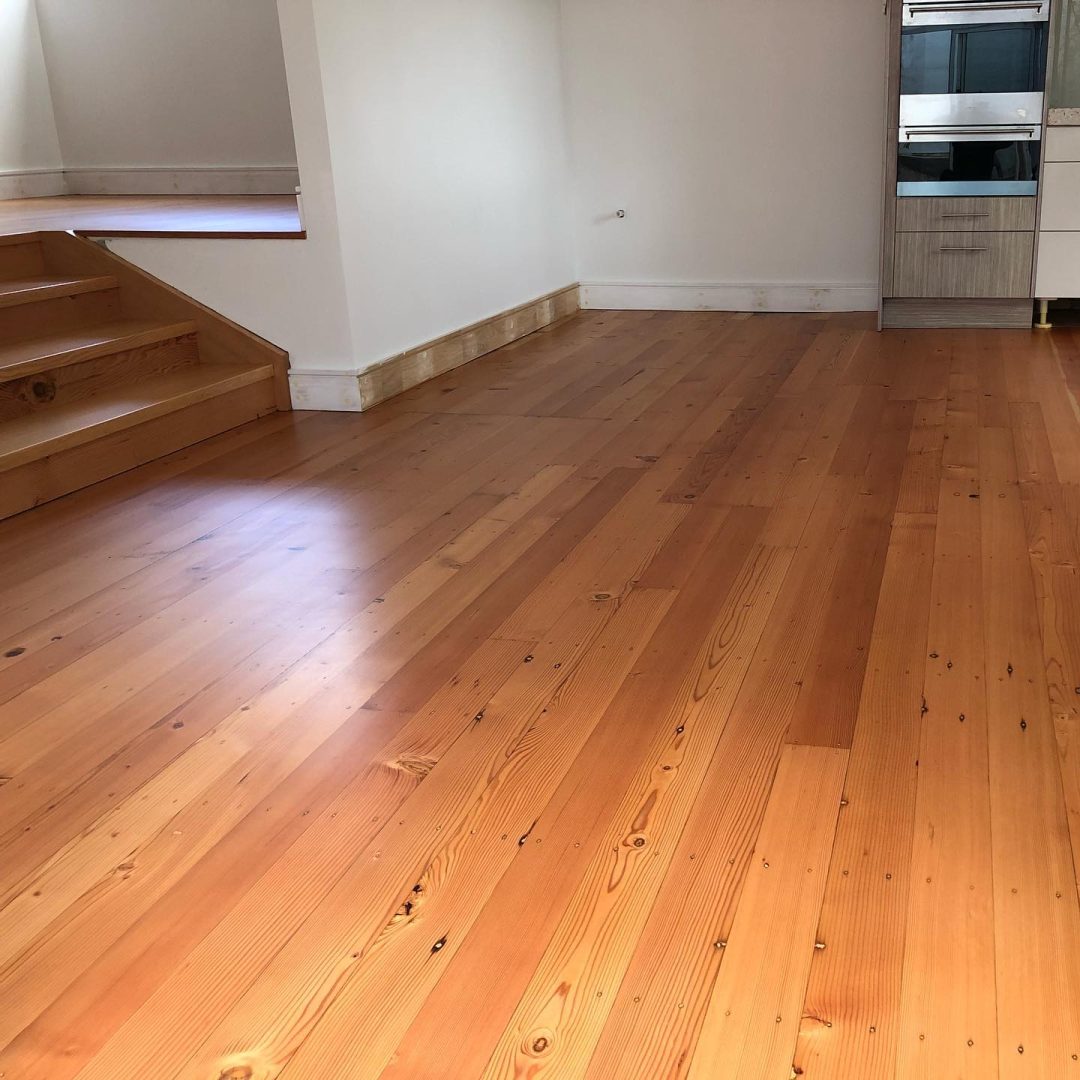

Before you believe the operator who told you your floors need replacing, get a second opinion. In 30 years of sanding and refinishing timber floors in Randwick and the Eastern Suburbs, Glen Gilbertson has brought back blackbutt, cypress pine, and parquet that other tradespeople walked away from; including boards that hadn’t seen daylight in half a century. Worn, water-damaged, buried under carpet. There’s a very good chance they’re worth keeping.



EXCELLENT Based on 75 reviews
 Posted on Google
 Erin SavageGlen was absolutely fantastic. He took so much time and care to make our old floors look brand new. I would highly recommend him to anyone. Thanks so much Glen!Posted on Google
 AlyseCan't thank Glen enough. My floorboards were in very rough condition,Glen has brought them back to life. Glen was very professional and affordable. I wouldn't hesitate to use Glen again.Posted on Google
 Geoff StibbsGlen is an incredible professional. The restoration job he did on some 65 year old floorboards at my mum's house in Miranda was amazing. Not only do the floorboards now look brand new, there was no mess and no damage to skirting boards or doors. Glen is a very personable bloke who obviously takes great pride in his work, and I thought his price was very reasonable. I chose Glen based on the reviews I read here but the finished product was even better than I had hoped for. I can highly recommend Glen to anybody who wants high quality service. Thanks Glen - it was an absolute pleasure to deal with you.Posted on Google
 GORDON DWe had the timber floors in our house re-done by Glen. They were originally done about 8 years ago and it was a disappointing and poorly done job. I particularly wanted our floors oiled this time and not lacquered and we found other services did not provide this and tried to talk us out of it. When we met Glen he very quickly won us over with his professionalism, passion and work ethic and he knew exactly what we wanted. We were rewarded with an absolutely first class job that has us wishing we had found him when we first had out floors done. The oil brings out the beautiful red colour of our Jarrad boards and everyone who comes to our house comments on them. He was able to repair the botched sanding from our previous sand. Our floors look new and look stunning. A great guy, great worker and value for money, would highly recommend him to anyone.Posted on Google
 Mark WilliamsonGlenn was very professional with a high standard of work. He was very particular in ensuring that our floors looked amazing upon completing. We are extremely happy with the end result and highly recommend Glenn!Posted on Google
 Donna MinasThank you Glen for an awesome job on my floors! I couldn’t be happier with the finished result and your price was great too!!Posted on Google
 John AitkenGlen did a magnificent job on our two floors. We could not be happier and can highly recommend Glen to anyone who needs a professional sanding job on their wooden floors.Posted on Google
 NonThanks Glen for your amazing work with bring our parquet floor back to their original beauty. Results way better than we thought. Your hard work is much appreciatedPosted on Google
 Amy LowGlen is a true craftsman. We were blown away by the quality of his work throughout the process of him repairing and polishing our floors. I’ve never seen a more dedicated, passionate professional. He was thorough from start to finish. He made sure he provided us with all of the relevant information so that we could make an informed decision about our floors and finishing. Thanks again Glen.Posted on Google
 Debbie LotterGlen restored our old parquetry floor to look like new. We didn't expect such a perfect job.
Here’s exactly what timber floor sanding and polishing in Randwick involves.
Every job starts with preparation. Furniture moved or protected. Nails punched down. Boards inspected closely before a sanding machine comes near them. What that inspection reveals shapes everything that follows.
Sanding happens in passes. Coarse grit removes the old finish and levels the surface. Medium grit refines it. Fine grit brings it smooth and ready for the coat. Each pass runs with the grain, rushing this stage is where most bad jobs begin.
Gap filling follows the first sand. Once the timber is open, I can see precisely what needs filling. After that: a final fine sand, a thorough vacuum, and the protective coat goes down. The finish type, whether matte, satin, oil, or water-based poly, is chosen based on the species and how the room lives.
A standard Randwick home runs two to three days, start to finish. Most families are back within 24 hours of the final coat.
Randwick, Coogee, Bronte, and Maroubra have a distinctive mix of species. Blackbutt and brush box turn up most often in post-war homes. Spotted gum and Tasmanian oak are common in mid-century builds and renovations. Cypress pine runs through pre-war cottages and terraces. Parquet floors in oak, jarrah, or mixed species are commonly found in apartments and older family homes, often well preserved beneath decades of carpet.
Across this part of the Eastern Suburbs, a significant number of homes are sitting on solid timber floors that haven’t been touched in 30 or 40 years. The carpet comes up and the boards underneath are largely intact. Timber floor restoration in Randwick very often starts with that discovery.
Blackbutt and spotted gum are dense hardwoods that respond differently to sanding pressure than cypress pine, which is softer and marks more easily. The wrong grit sequence on a softer species leaves scratches the finish locks in permanently. Floor restoration in Randwick begins with reading the timber, not by applying a one-size method.
Solid hardwood can be sanded and refinished multiple times across its lifetime
Parquet can be sanded, but requires specialist technique; see our heritage parquet flooring service for full detail on diagonal sanding and pressure management
Engineered timber with a sufficient wear layer can typically be sanded once or twice; the wear layer needs measuring before committing
Floating floors generally cannot be sanded; the wear layer is too thin and the floor isn’t fixed to the substrate; an on-site assessment will confirm
Floor sanding and polishing in Randwick typically runs between $25 and $40 per square metre. Water-based polyurethane finishes sit toward the higher end of $30 to $40 per m².
Solvent-based comes in at $25 to $35. Both figures cover the complete job: preparation, sanding, and the protective coat. For a detailed breakdown of what affects cost, see our floor sanding costs guide.
The cost of timber floor polishing in Randwick moves with floor condition, not floor size. The real variables in Eastern Suburbs homes are these:
Glen’s written quote covers all of it. No charges appear on the day that weren’t in the quote. If pulling back the carpet reveals something unexpected, boards in worse condition, previous amateur work that needs correcting first, the conversation happens before I proceed.
Glen provides floor sanding across the Eastern Suburbs, from Randwick to Bondi and Coogee, with the same dust management on every job.
Dust is the question I’m asked most. Traditional floor sanding produces significant fine timber dust, and anyone suggesting otherwise is either using very light equipment or not being straight with you. Professional high-extraction machines capture the vast majority at the source. “Dustless” means airborne dust is dramatically reduced. Glen also provides floor sanding in Bondi and across the Eastern Suburbs with the same process and dust management standards.
Skirting boards left marked, paint scraped from door frames, dust settled through the rest of the house – these are the standard complaints about floor sanding jobs that went wrong. Protecting surrounding surfaces is part of the job. Between the final sand and the coat, the floor is cleaned thoroughly – dust on the surface before finishing affects the result directly.
Over 30 years, a pattern has repeated itself. A homeowner calls after another operator has recommended replacement. In most cases, the floor doesn’t need replacing. It needs someone who can read timber and has the experience to bring it back.
Timber floor restoration in Randwick covers situations that other trades walk away from. Parquet with water damage. Boards under decades of polyurethane buildup so thick the grain has disappeared. Deep scratches through to bare wood. Colour-mismatched patches where extensions have left new boards alongside originals at entirely different stain levels. These are restoration jobs.
The standard Glen works to is the standard required to sand and refinish heritage floor sanding at the Sydney Opera House and across multiple Westfield shopping centres – matching finishes in a national landmark, under commercial scrutiny, to an exacting specification. A Randwick terrace sits well within that scope.
Replacing floorboards costs a fraction of what new timber and installation runs. Beyond that, original blackbutt or brush box laid in a 1940s Randwick home carries a character and density that new boards don’t replicate. Once it’s gone, that’s the end of it.
If restoration isn’t the right path, I’ll say so on the first visit. In 30 years, that conversation has been rare but being willing to have it is what makes the recommendation worth trusting.
The finish is what people see first and live with longest. Getting it right means reading the timber species, the room, and how the space is used and not defaulting to whatever looks best in a photograph.
Matte
Low sheen, contemporary, hides foot traffic marks well; the most popular choice in Eastern Suburbs apartments and open-plan living areas
Satin
Moderate sheen, versatile, suits most home styles from Federation terraces to post-war brick; the most commonly requested finish across Randwick and Maroubra
Semi-gloss
Higher sheen, more traditional, reflects light well but shows wear and fine scratches more readily
Oil finish / hardwax oil
Penetrating finish that sits inside the timber; natural feel underfoot, brings out grain depth; requires periodic re-oiling
low odour, fast drying, stays clear without yellowing; suits pale timbers like Tasmanian oak; see our timber floor polishing service page for full detail
Adds a warm amber tint that deepens timber tones; harder wearing; longer dry time between coats
Colour matching is among the more demanding parts of floor polishing in Randwick homes, particularly after renovations where new boards sit alongside old ones. Before any finish goes across the full floor, Glen tests colour on-site. It’s the only reliable way to confirm the match holds across boards of different ages and grain patterns.
Staining extends the range of outcomes. Floors can be lightened, darkened, limewashed, or finished in white and Nordic tones suited to Eastern Suburbs apartments with natural light. Not every species takes stains evenly. Cypress pine requires careful preparation to prevent blotching. What’s achievable with the specific timber in your home is a conversation we have before anything goes down.
Thirty years means every timber species and floor condition common to Eastern Suburbs homes is familiar territory. ATFA membership means the work is held to a recognised industry standard. The Sydney Opera House and Westfield projects mean commercial-grade precision and heritage finish matching are the baseline, not a stretch.
This is a sole-operator business. Glen quotes every job personally, inspects the floor in person, provides a written price before work begins, and does the work himself. The person who answers the phone is the person who shows up.
Floor sanding and polishing in Randwick typically runs between $25 and $40 per m², depending on floor condition, timber species, finish type, and the prep work involved. A straightforward job on a well-maintained hardwood floor sits at the lower end; water damage, heritage parquet, or extensive gap filling moves it higher. The only accurate figure comes from looking at the floor – call to arrange a free on-site quote.
Professional high-extraction equipment captures the majority of sanding dust at the source, so airborne dust is significantly reduced compared to traditional methods. Claiming zero dust isn’t honest, but a coating over every surface in the house isn’t what happens either. Work areas are sealed off and the site is cleaned before leaving each day.
Floating floors generally can’t be sanded as the wear layer is too thin and the floor isn’t fixed to the substrate, which causes problems under sanding pressure. Solid hardwood and engineered floors with a sufficient wear layer can typically be sanded, though engineered floors have limits on how many times. An on-site assessment confirms what’s achievable with a specific floor.
A well-maintained solid timber floor in a residential home typically needs a full sand and refinish every 10 to 15 years, depending on foot traffic and finish type. A maintenance recoat is a fresh coat applied without sanding back to bare timber that can extend the interval considerably if the floor is addressed before the finish breaks down completely. Maintenance between jobs determines how long each refinish lasts.
Sanding removes the existing finish and a fine layer of timber to expose fresh wood. Polishing applies a new protective finish to a prepared surface. A full restoration involves both; a maintenance job may need polishing only, without sanding back. Which one a floor needs becomes clear on inspection.
Glen quotes every Randwick job in person. He’ll look at the floorboards, tell you transparently what they need, and give you a written price before any work begins. If they can be saved, and from experience most can, you’ll know exactly what that looks like and what it costs.
30 years experience · Sydney Opera House · Fully insured · ATFA member